












HKUST ENGINEERING

Title
Research
Description
How we turn bold ideas into tangible results
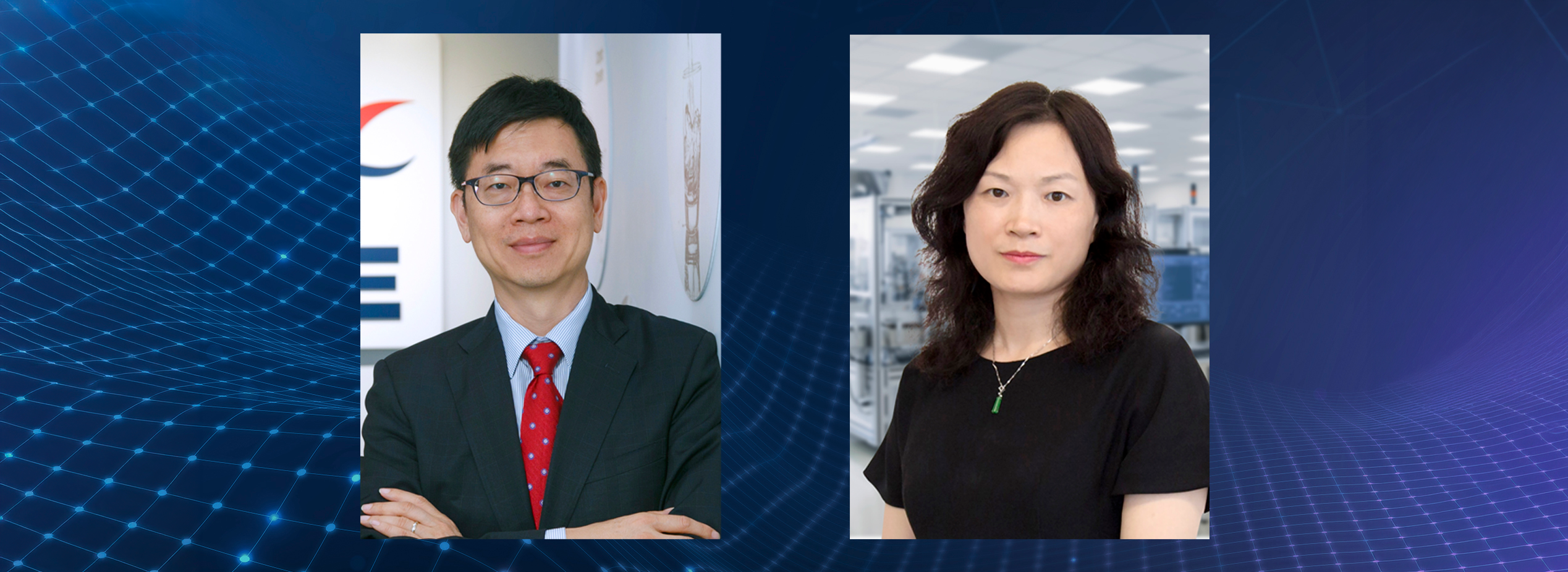
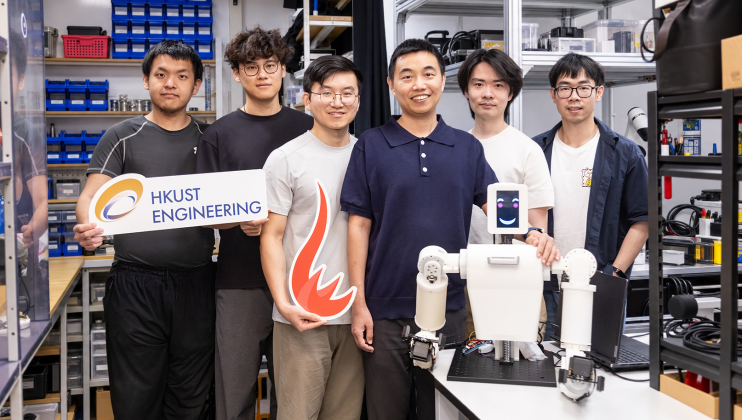
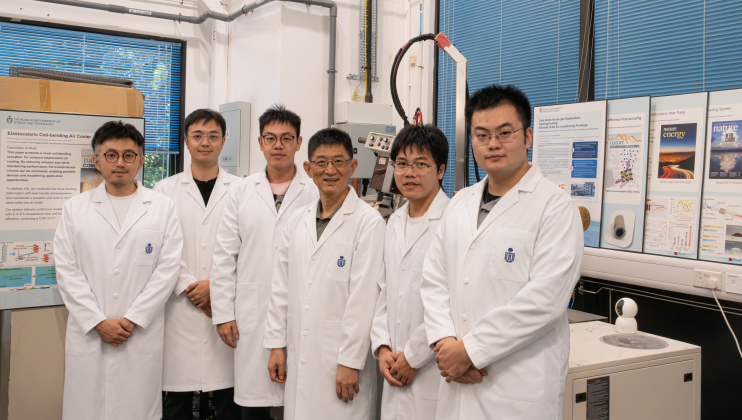
The research conducted by Prof. Zhou Yanguang (left), Dr. Xu Yixin (center), Dr. Xiang Xing (right), and all members of the Microscale Thermal Engineering Lab, bridges the gap between microscopic atomic dynamics and macroscopic ion transport, holding significant engineering value.
HKUST Engineering Unveils Microscopic Mechanism of Fast Ion Transport in Superionic Crystals
A team led by Prof. ZHOU Yanguang discovered a novel mechanism for rapid ion transport in solids, opening new avenues for materials design.
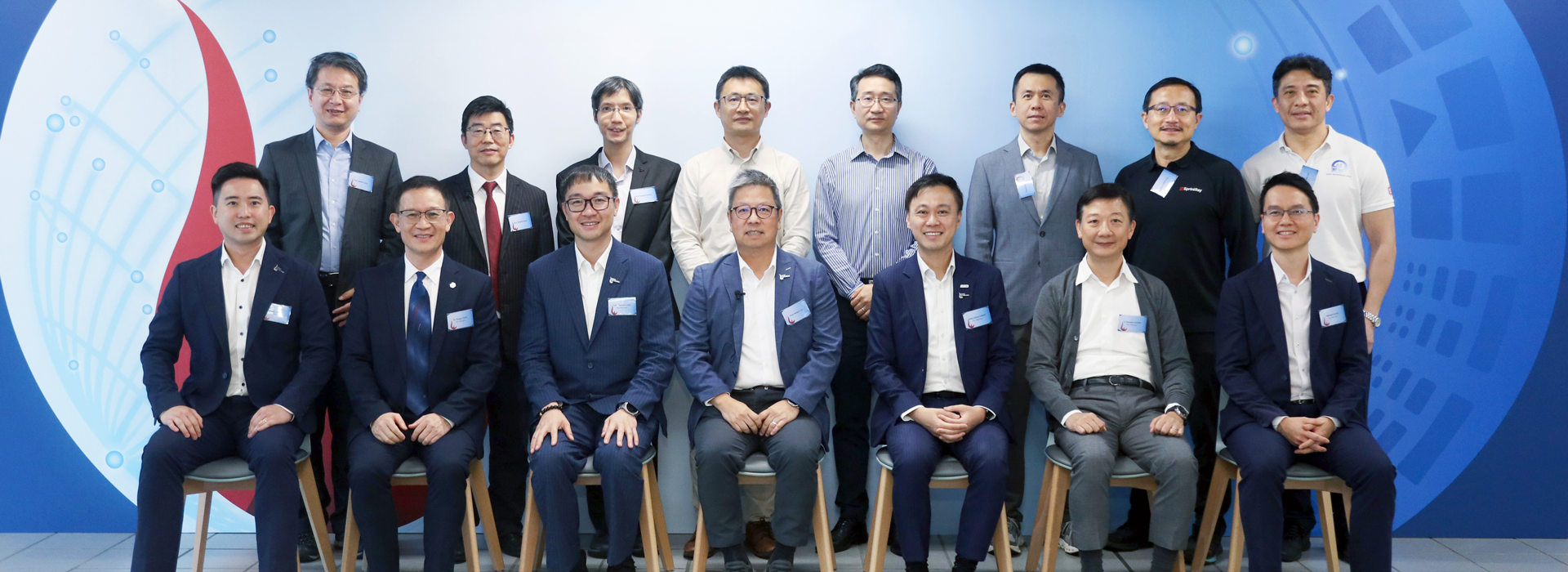
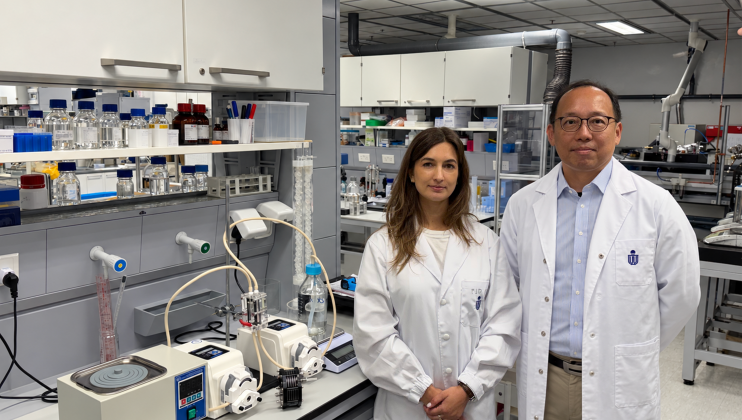
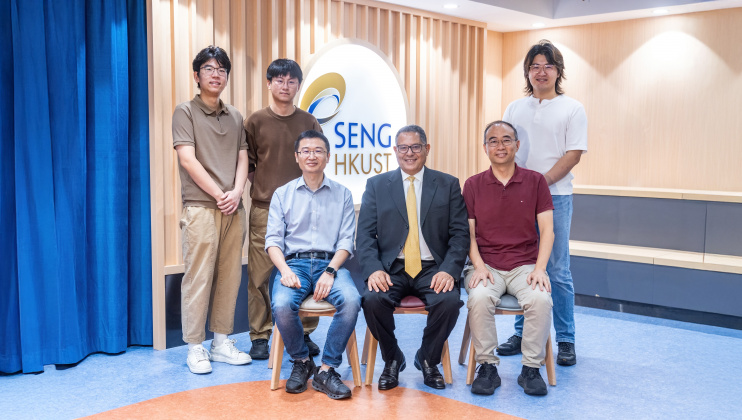
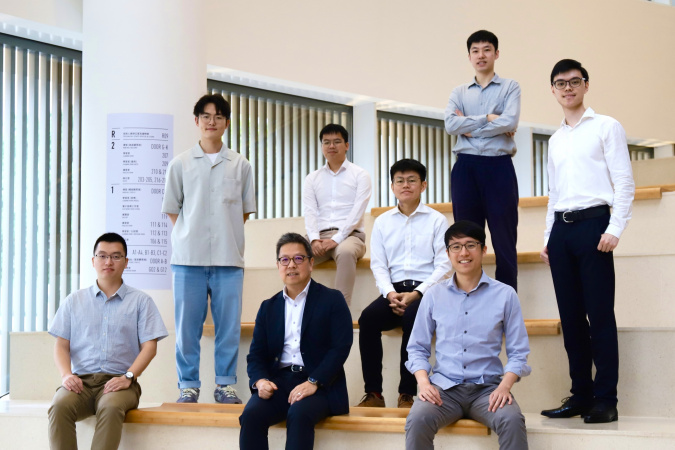
A research team led by Prof. HSING I-Ming (third left), Professor of the Department of Chemical and Biological Engineering (CBE), along with Prof. ZHAI Yuanliang (second right), Associate Professor of the Division of Life Science (LIFS) at HKUST, has developed the world’s first DNA-guided, RNA-targeting CRISPR–Cas system. The photo also includes key team members: Mr. WU Xiaolong (second left), PhD student of CBE; Dr. LAM Wai-Hei (first right), postdoctoral fellow of LIFS; and Dr. CAO Yumeng (first left), po
HKUST Researchers Flip the CRISPR Script to Develop World’s First DNA-Guided Gene Editing Tool for Precise Infectious Disease Diagnosis and Advancing Antiviral Therapies
A research team led by Prof. HSING I-Ming, in collaboration with Prof. ZHAI Yuanliang, has successfully developed the world’s first DNA-guided CRISPR-Cas system capable of programmable RNA targeting and cleavage.
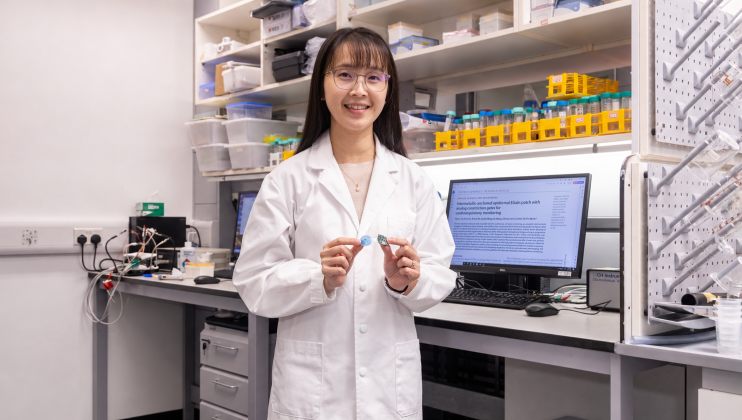
Conceptual illustration showing how the “slow-release solvent” strategy repairs buried interfaces in perovskite thin films. This research was published in Nature Synthesis and featured as the journal’s cover article for the April 2026 issue (Volume 5, Issue 4).
HKUST Engineering Team Co-Pioneers a “Slow-Release Solvent” Strategy to Advance Large-Area Perovskite Photovoltaic Modules
A research team led by Prof. ZHOU Yuanyuan has proposed a crystal-solvate (CSV) seeding strategy with a slow-release solvent function. The solvent molecules are “encapsulated” within the crystal lattice and are gradually released during film annealing, enabling gentle and well-controlled interfacial crystallization.
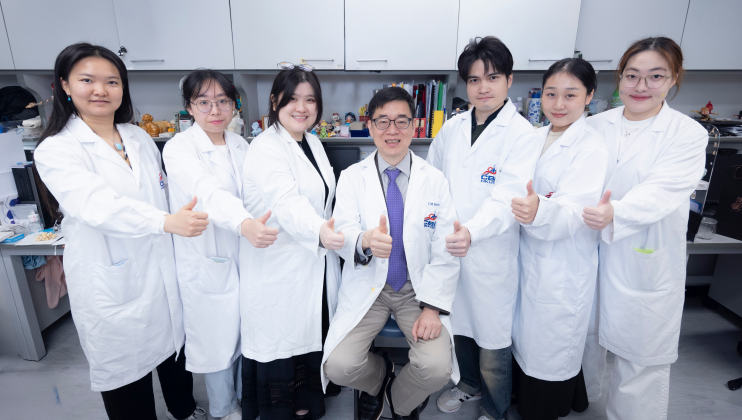
The cross-disciplinary research team includes co-corresponding authors Prof. Qu Jianan (right, back row) and Prof. Julie L. Semmelhack (right, front row), together with co-first authors Mr. Yan Gewei (left, back row) and Dr. Tian Guangnan (right, front row).
HKUST Team Unveils Innovative Technology for Precise Reading and Control of Brain Circuits to Advance Brain Disease Research
A research team led by Prof. QU Jianan has developed a powerful laser control technique. Functioning as a “smart dimmer”, it can selectively adjust the brightness of every pixel during laser scanning, and prevent unintended neural activation.
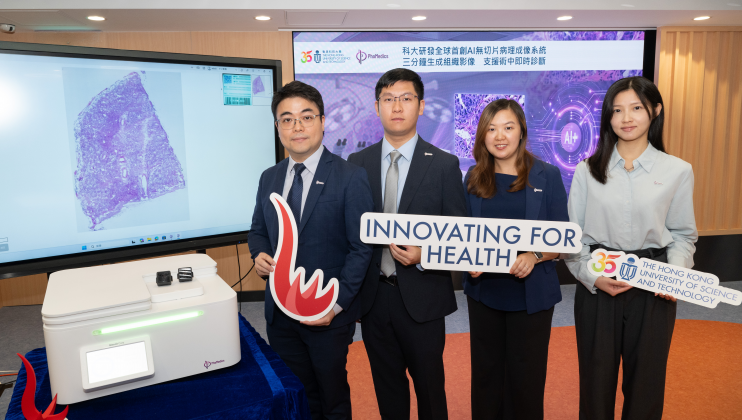
Prof. Li Xiaomeng (left), Assistant Professor from the Department of Electronic and Computer Engineering and Associate Director of Center for Medical Imaging and Analysis at HKUST, together with her student Li Yi, a PhD candidate from the Department of Electronic and Computer Engineering, develop the novel AI pathology system PRET.
HKUST Engineering Develops Novel AI Pathology System for Accurate Multi-Cancer Diagnosis Without Additional Model Training
A research team led by Prof. LI Xiaomeng has developed a pioneering artificial intelligence (AI) pathology analysis system that can accurately recognize multiple types of cancer using only a minimal number of samples—without requiring any additional training.
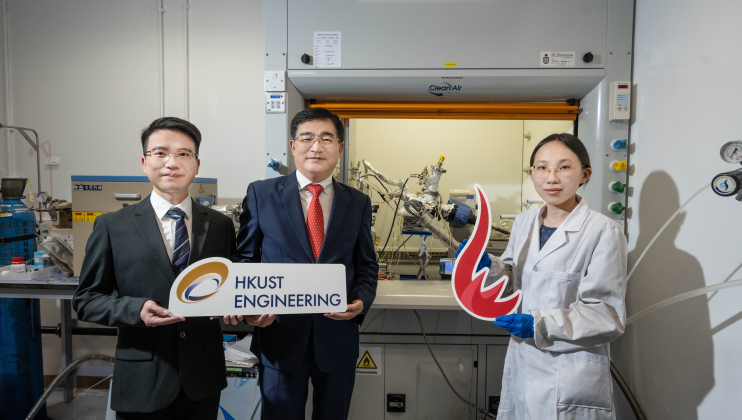
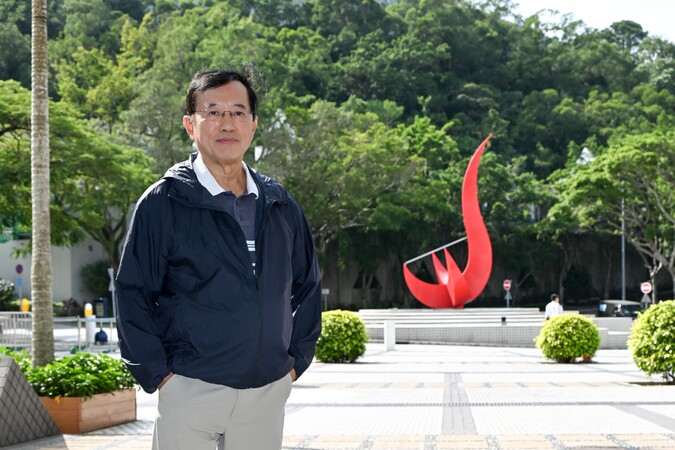
Prof. Yoonseob Kim (right), Associate Professor, and Dr. Cheng Xiaolong (left), postdoctoral fellow, from the Department of Chemical and Biological Engineering at HKUST.
HKUST Engineering Develops Advanced Sustainable Energy Storage Technology for High-Performance and Safer Solid-State Lithium Batteries
A research team led by Prof. Yoonseob KIM has successfully synthesized a novel single-crystalline 3D borate covalent organic framework (B-COF), which demonstrates exceptional performance as a solid-state electrolyte.
Prof. Hu Wenqi (right), his postgraduate student Chen Xi (left), and other research team members at HKUST develop the world’s first bio-inspired artificial cilia system, advancing breakthroughs in medical and microrobotics applications.
HKUST Engineering Develops World’s First Bio-Inspired Artificial Cilia System
A research team led by Prof. HU Wenqi has achieved a major scientific breakthrough by developing the first artificial cilia system capable of replicating the fast, complex, three-dimensional motion of natural cilia found throughout the human body.
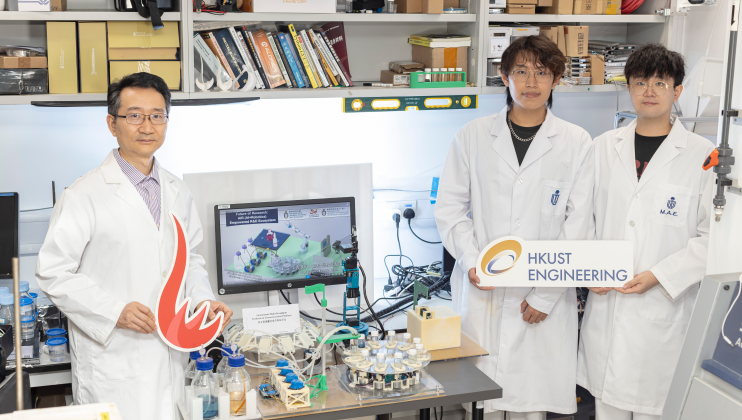
Prof. Chen Shensheng (left) and PhD student Wu Zongpei (right) simulated the whole process of liquid-liquid phase separation from start to finish, revealing how mussels instantly glue themselves to rocks. Their research holds significant implications for developing instant biocompatible surgical glues and programmable smart materials.
HKUST Engineering Uncovers Key Mechanism of Liquid-Liquid Phase Separation
A research team led by Prof. CHEN Shensheng recently solved this long-standing puzzle using large-scale molecular dynamics simulation and theoretical analysis, revealing the secret to nature’s incredible speed and providing implications for instant biocompatible surgical glues.
The HKUST research team from the Department of Civil and Environmental Engineering: (from left to right) Wang Yanjia, Prof. Su Hui, Dr. Wang Cen, Dr. Li Yana, and Zhu Kuilin.
HKUST Engineering Researchers Reveal How Tropical Pacific Climate Shifts Amplify Arctic Sea‑Ice Melt
A research team led by Prof. SU Hui has discovered that, since the early 2000s, both sea surface temperature changes near the equator and the associated atmospheric adjustments over the Pacific have accelerated markedly—becoming a key driver of the increasingly rapid loss of Arctic sea ice during autumn.
Prof. Sun Fei (right), Professor of the Department of Chemical and Biological Engineering at HKUST and co-corresponding author of the study, and his PhD student Cui Duo (left), co-first author of the study.
HKUST Engineers Develop CarGAP, a Vitamin B₁₂ and Light-Controlled Molecular Valve to Precisely Regulate Cell Communication
A research team led by Prof. SUN Fei has developed CarGAP, a groundbreaking chemo-optogenetic tool that uses vitamin B₁₂ and green light to precisely control gap junctions, the microscopic channels enabling direct cell-to-cell communication.
Title
Innovation and impact
Description
When we blaze trails, move mountains and inspire generations in the evolving realm of engineering
Title
SENG RANKINGS

Times Higher Education World University Rankings by Subject 2026

Times Higher Education World University Rankings by Subject 2023

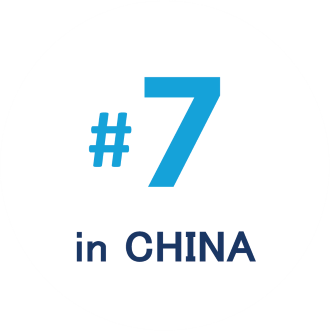
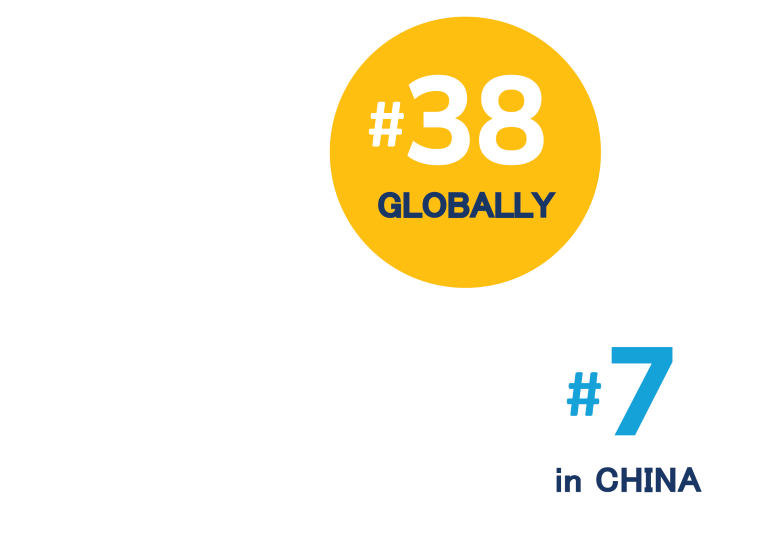
Number 38 globally for Engineering in the Times Higher Education World University Rankings by Subject in 2026

QS World University Rankings by Subject 2026

 QS World University Rankings by Subject in 2026

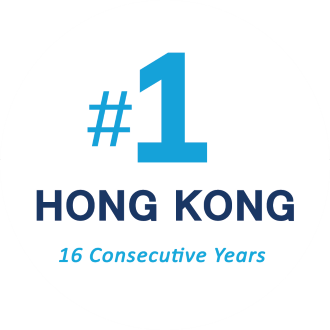
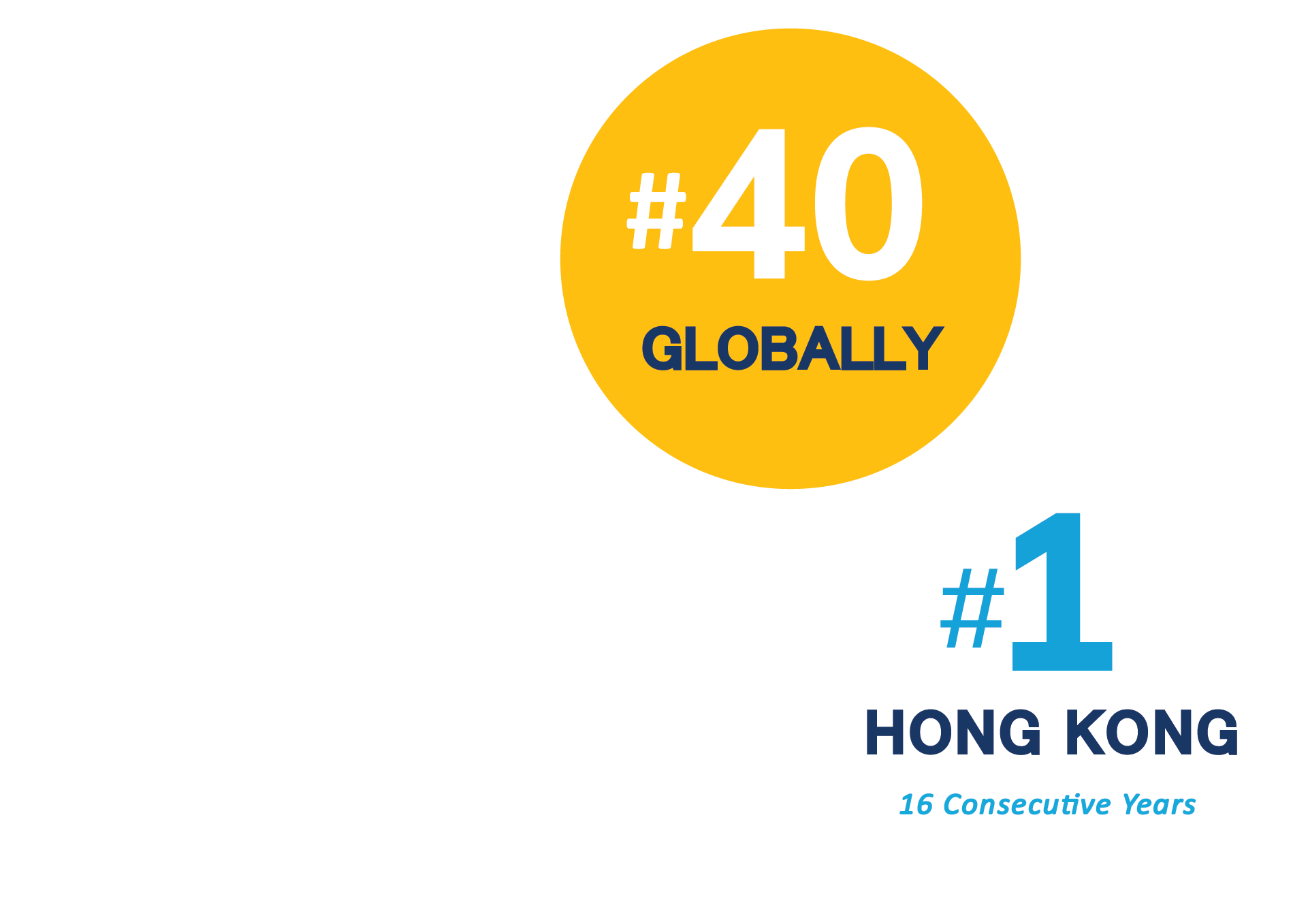
Number 40 globally for Engineering and Technology in the QS World University Rankings by Subject in 2026
Title
STUDYING AT HKUST ENGINEERING
Description
What we offer at different levels of engineering education to help you meet your different aspirations
Title
Feeling blue? Want someone to talk to?
Description
It's okay to ask for help. The University has a team of professional counselors to render support when you need it.

24/7 HEARing Helpline
Tel: (852) 8208 2688 | Email: counsel@ust.hk

Submodule