The Integration of AI in STEAM Education: Enhancing Learning and Creativity

|
Prof. Tim WOO is Professor of Engineering Education in the Department of Electronic and Computer Engineering (ECE), Founding Director of the Center for Global and Community Engagement and Associate Director of the Academy for Bright Future Young Engineers. He received his three degrees – BEng, MPhil and PhD – all in the ECE Department. An advocate for experiential and service learning in engineering education, he has been recognized by the University Grants Committee Teaching Award, HKUST’s Michael G. Gale Medal for Distinguished Teaching, School of Engineering’s Teaching Excellence Appreciation Award, and named a finalist for Airbus Global Engineering Deans Council (GEDC) Diversity Award. |

By Prof. Tim Woo
Introduction
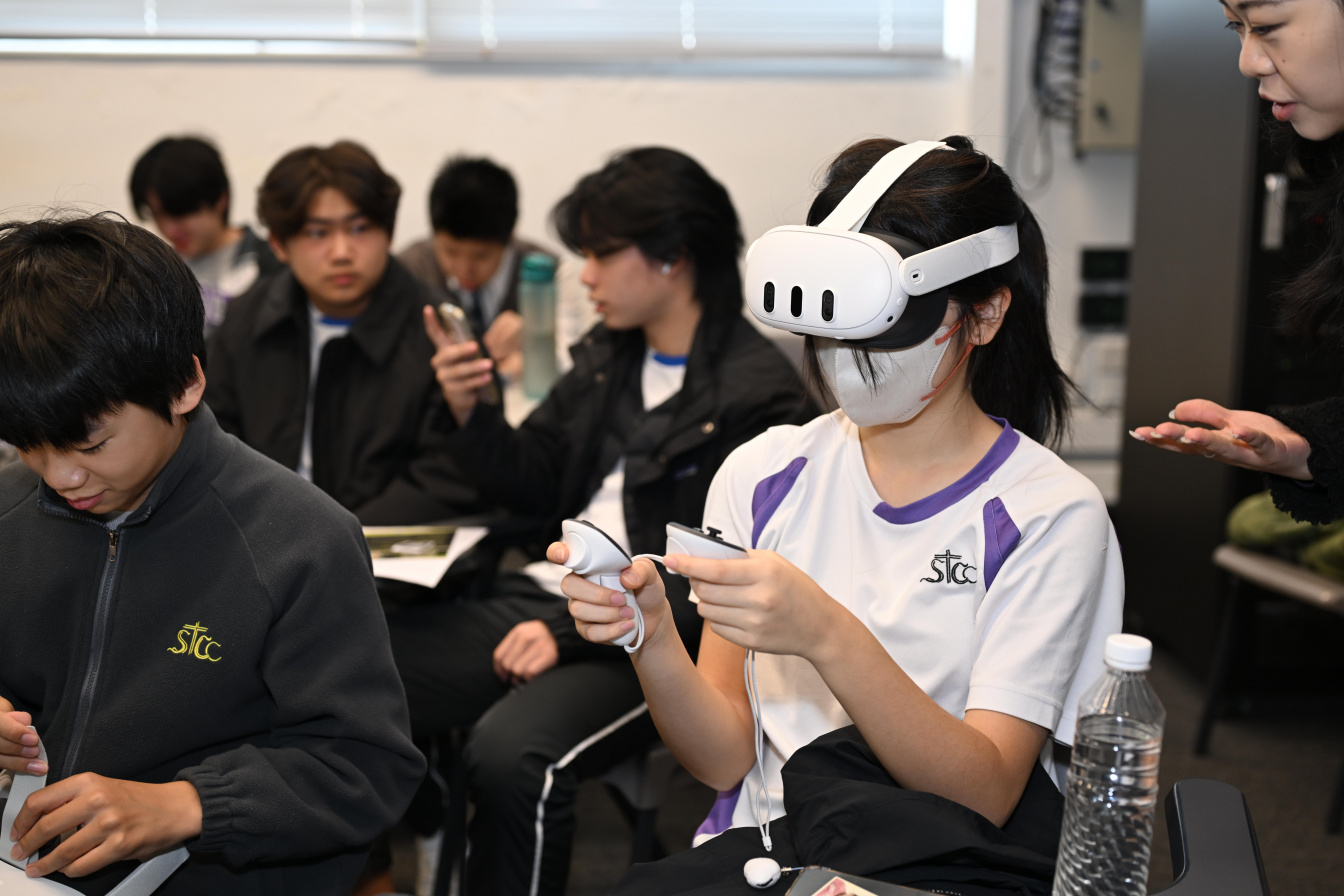
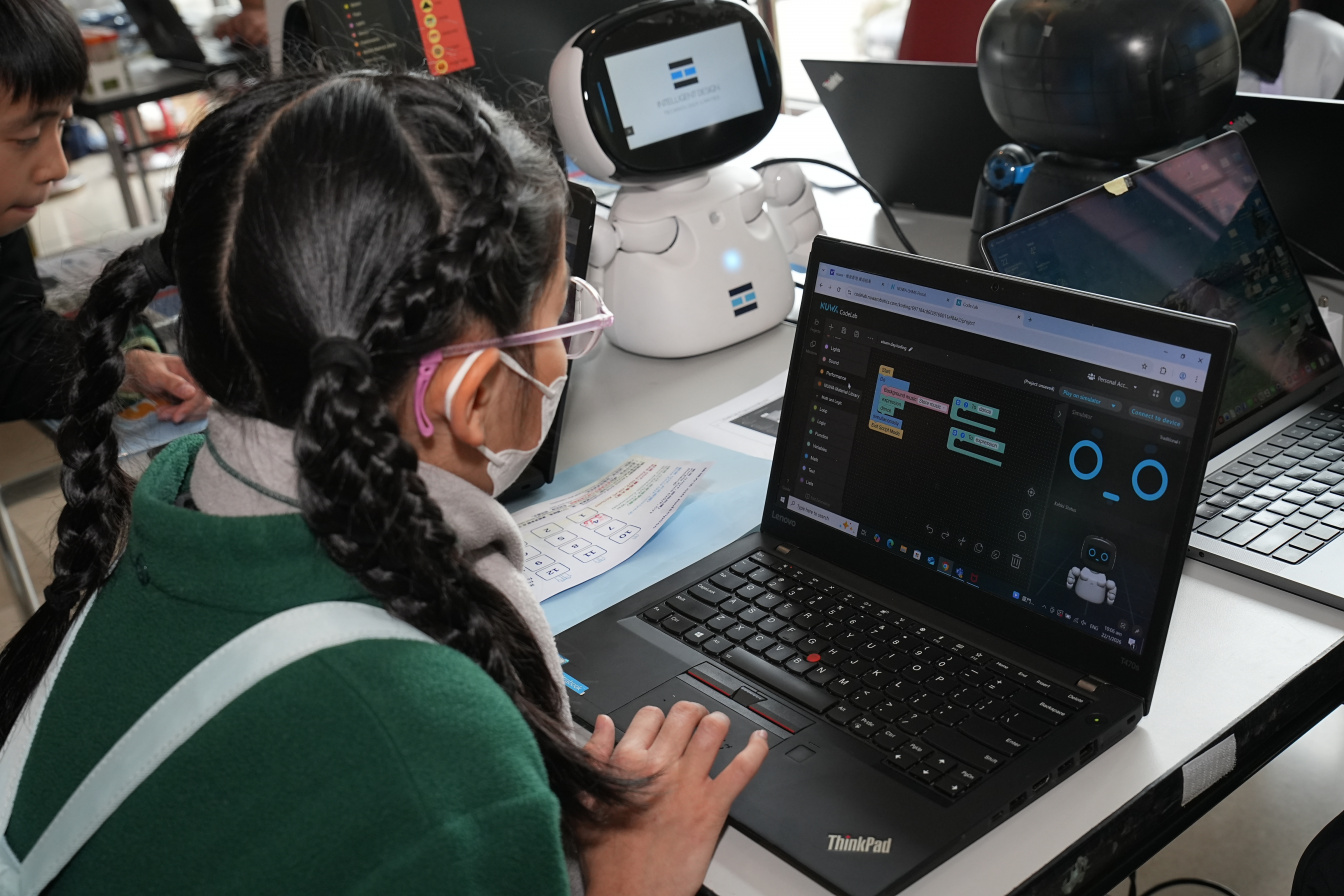
In recent years, the integration of Artificial Intelligence (AI) in education has transformed traditional learning environments, particularly within the STEAM (Science, Technology, Engineering, Arts, and Mathematics) framework. This fusion not only prepares students for a technology-driven future but also enhances critical thinking, creativity, and problem-solving skills essential for success in various fields. It also further fosters students’ skills in lifelong learning.
The role of AI in STEAM education
AI technologies can be employed to personalize learning experiences. By analyzing individual student data, AI can adapt educational content to meet diverse learning styles and needs. This personalized approach allows students to progress at their own pace and engage with materials that truly resonate with them. For instance, AI-driven platforms can recommend resources based on students’ performance, interests, and learning gaps, thus boosting their motivation and overall learning outcomes. Furthermore, AI can promote collaborative learning. Through AI tools, students can connect with peers and experts worldwide, facilitating an exchange of ideas that enhances project-based learning. These platforms not only support communication but also enable students to engage in real-world problem-solving scenarios, critical for developing their investigative and analytical skills.
Benefits of AI-driven learning in STEAM
Numerous studies highlight the significant benefits of integrating AI into STEAM education. For example, research indicates improvements in critical thinking skills, acquisition of technical knowledge, and programming capabilities among students exposed to AI-driven learning. These findings suggest that AI not only bolsters academic performance but also fosters a deeper understanding of complex concepts, allowing students to acquire high-order thinking skills.
Additionally, AI encourages creative exploration. In the arts aspect of STEAM, AI tools facilitate innovative projects, enabling students to merge technology with artistic expression. Creative applications, such as generative art or music composition software powered by AI, empower students to explore their creativity in new and exciting ways.
Challenges in implementing AI in education
Despite the potential benefits, several challenges must be addressed to effectively implement AI in STEAM education. One significant concern is the digital divide, as not all students have equal access to technology. Schools in underprivileged areas may struggle to provide necessary resources, limiting students’ exposure to AI tools and thereby exacerbating educational inequalities. Moreover, there is an ongoing need for teacher training. Educators must be equipped with the skills to utilize AI technologies effectively and integrate them into their pedagogical approaches. Professional development programs should focus on how to leverage AI for both personalized and collaborative learning experiences, ensuring that teachers can maximize the potential of AI tools to enhance student engagement and learning outcomes.
The future of AI in STEAM education
Looking ahead, the role of AI in STEAM education is expected to expand further. Continued advancements in AI technologies, alongside more affordable access to these tools, will likely make them more prevalent in classrooms. This evolution may lead to enhanced opportunities for students to develop not only technical knowledge through any STEAM activities but also critical socio-emotional skills essential for collaboration and communication with others.
Additionally, interdisciplinary approaches that integrate AI with subjects outside traditional STEAM fields can broaden students’ educational experiences. For example, exploring the ethical implications of AI in social sciences can lead to enriched discussions about technology’s impact on society, preparing students to navigate complex moral landscapes in their future careers.
Conclusion
The integration of AI into STEAM education represents a transformative shift in how students learn and interact with knowledge. By personalizing learning, fostering collaboration, and enhancing creativity, AI can significantly improve educational outcomes and prepare students for a dynamic future. However, educators must address the associated challenges, including equity in access and the need for comprehensive training. As we move forward, embracing AI within STEAM education holds the promise of cultivating a generation of innovative thinkers equipped to tackle the challenges of tomorrow.