The Next Teaching Move: Guiding Learners in the AI Age
|
Prof. QIU Xuan is an Assistant Professor of Engineering Education in the Department of Industrial Engineering and Decision Analytics. Her teaching focuses on active and experiential learning in engineering education. Her teaching innovation works have been supported by HKUST’s Center for Education Innovation (CEI). She received the School of Engineering Teaching Excellence Appreciation Award in 2024-25 and has also received the Outstanding Teaching Award of the Engineering Enterprise Management MSc Program for six consecutive years. Her broader academic work spans human-AI collaboration, data-driven optimization, and sustainable and resilient transport. |


By Prof. Qiu Xuan
The AI age offers personalized teaching a new possibility: helping teachers understand students’ learning needs with greater depth and timeliness. Personalization is often associated with giving students different materials or exercises. These approaches can be useful, but they are only part of the picture. A more meaningful form of personalized teaching begins with identifying where students are struggling, what gaps remain in their understanding, and what guidance they need next.
This question has shaped much of my teaching innovation. I have been interested in designing learning activities that do more than deliver content or check final answers. I want these activities to make students’ thinking more visible: how they interpret a problem, what assumptions they make, where they become uncertain, and how they revise their understanding. In this sense, teaching innovation is not only about making learning more engaging; it is also about creating better opportunities to observe learning as it unfolds.
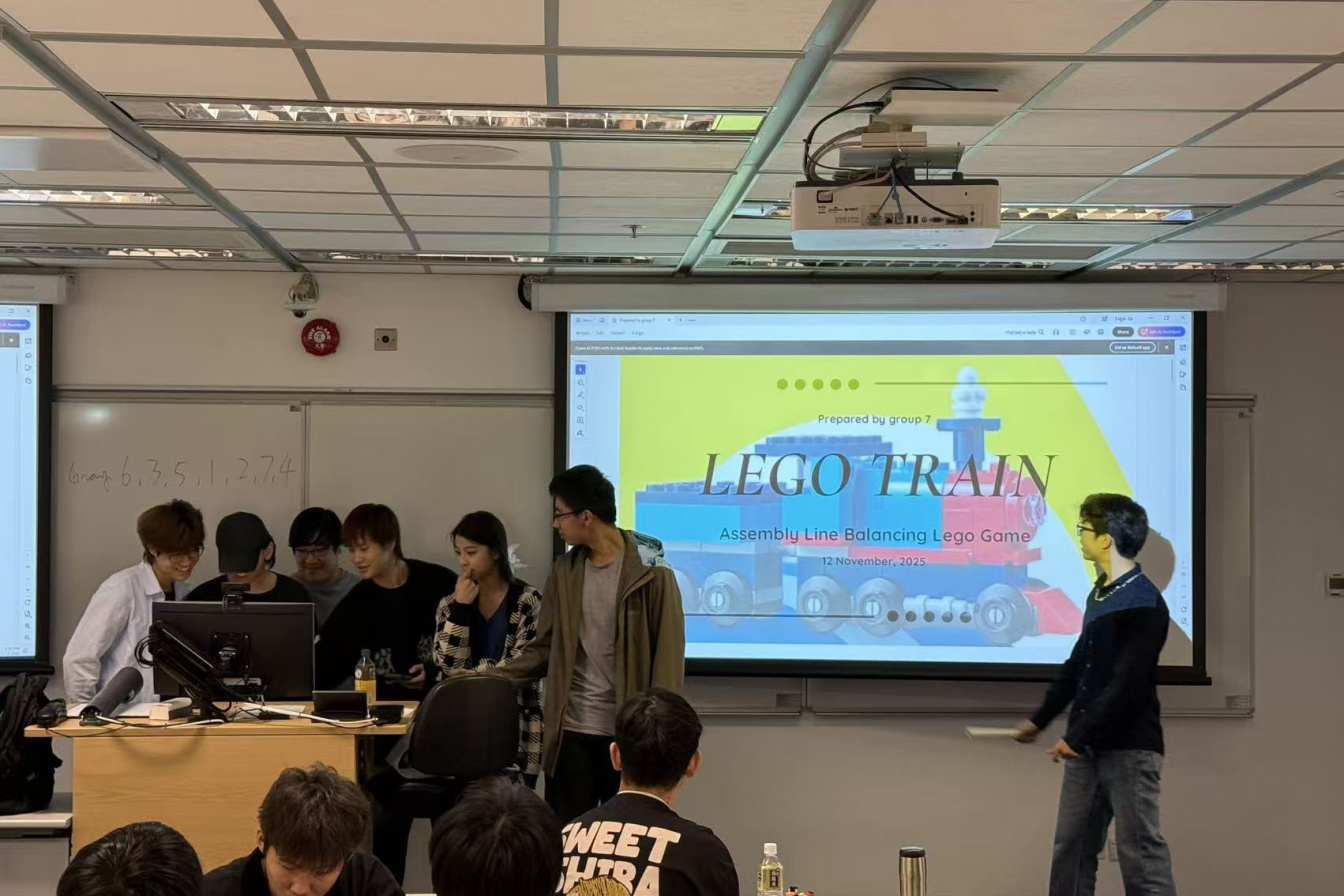
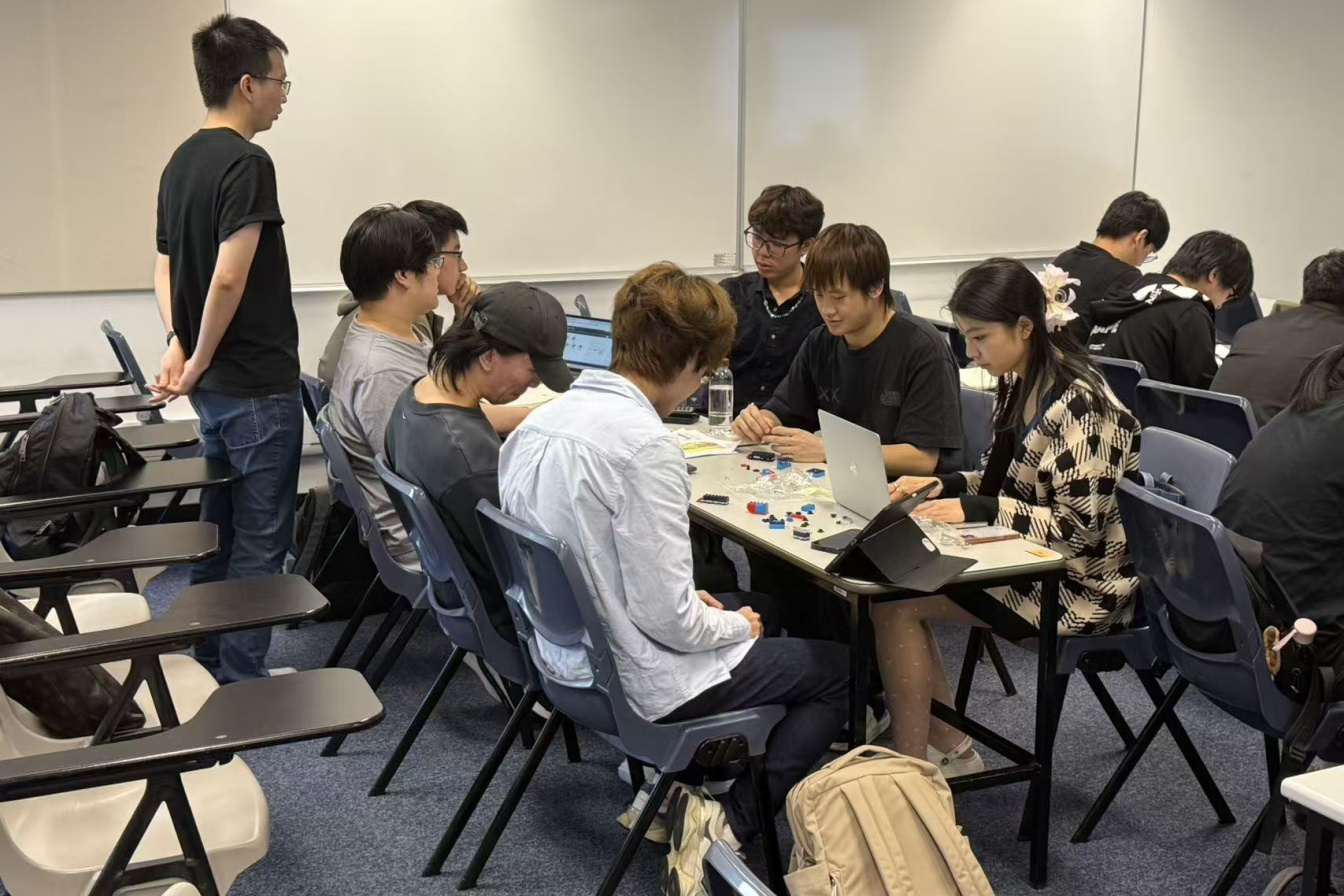
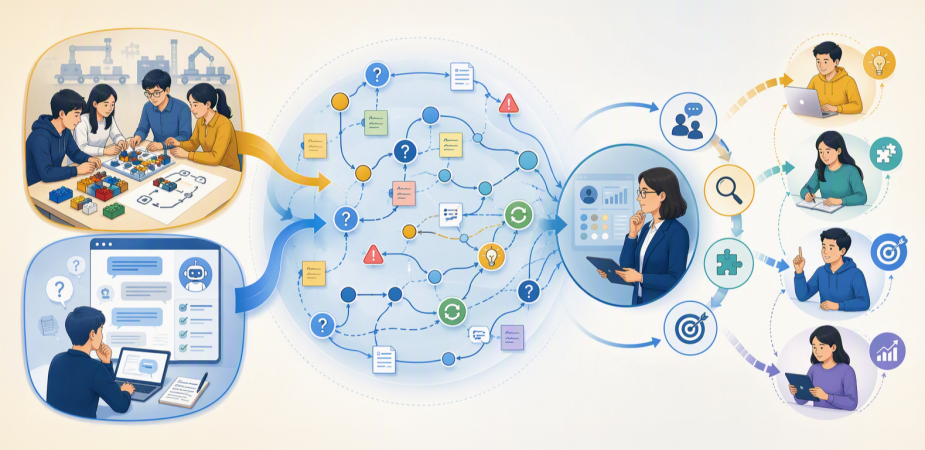
One example is a game-based activity in which students used LEGO blocks to simulate an assembly process and test different layout design algorithms. As they arranged workstations, moved parts through the system, observed bottlenecks, and compared flow and efficiency across layouts, their reasoning became visible. The activity revealed not only whether students reached a workable layout, but how they understood distance, workload, bottlenecks, and trade-offs. Often, the process told me more than the final result did.
AI-supported learning activities can extend this idea. In one classroom activity, I asked students to present not only what they learned from an LLM, but how they learned with it. They shared their prompts, follow-up questions, moments of confusion, revisions, and the ways they organized their final understanding. These interactions with AI created visible traces of their learning process. They showed what students noticed, what they accepted quickly, what they questioned, and how they tried to make sense of new ideas.
What stood out to me was the variety of these learning trajectories. Some students began with concrete examples before moving toward more abstract principles. Some started from definitions but found it difficult to connect them to applications. Some challenged the AI-generated explanation and asked for comparisons or counterexamples, while others accepted the first response too quickly. Some gathered many pieces of information but struggled to organize them into a coherent structure. These differences matter because they can change the next teaching move. What appears to be one learning task may call for different responses: clarification, connection-building, questioning, or application.
To me, this is what personalized teaching in the AI age should mean. It is not simply an adaptive system assigning different resources to different learners. It is a form of responsive pedagogical judgment: using evidence of learning to decide what guidance is needed next. AI does not replace teachers’ professional judgment. In fact, it makes professional judgment even more important. Teachers still need to interpret the learning traces, understand their educational meaning, and decide how to respond. AI helps not by knowing students perfectly, but by helping teachers see more clearly where students are in their learning and choose the next teaching move with greater precision.