HKUST Unites Global Experts and Government Leaders to Define the Future of Urban Living
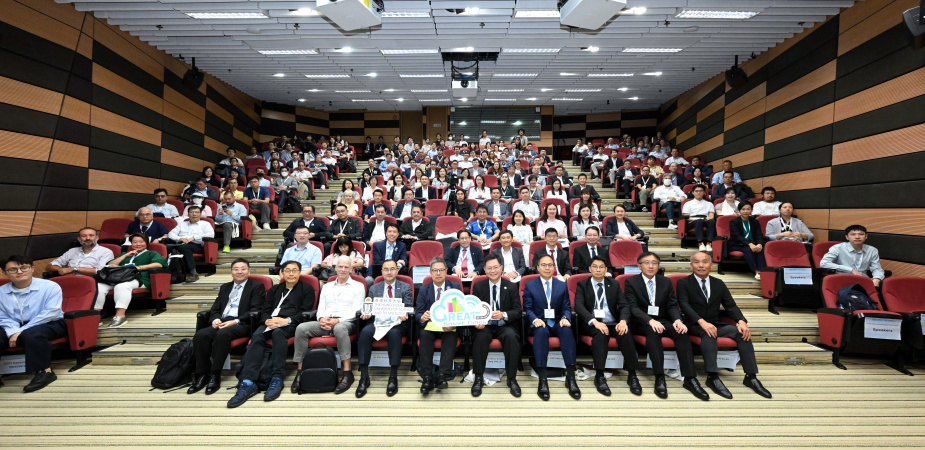
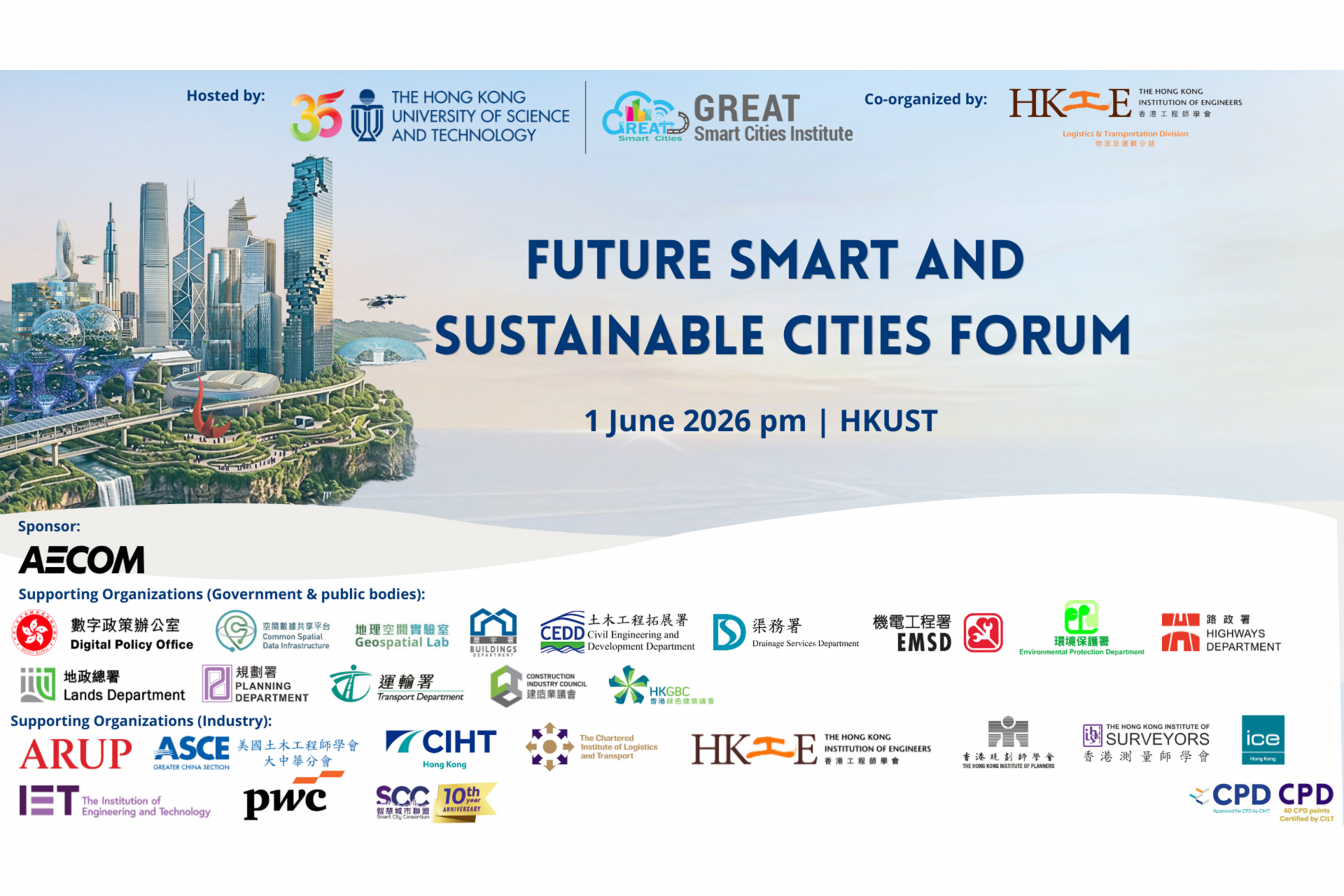
As part of its 35th anniversary celebrations, The Hong Kong University of Science and Technology (HKUST) convened the “Future Smart and Sustainable Cities Forum” on June 1, 2026. Hosted by the HKUST GREAT Smart Cities Institute (GSCI), the event served as a high-level nexus for urban innovation, gathering over 200 experts to deliberate on urban innovation and sustainable development and to chart a strategic blueprint for the future of urban living.
The forum featured an influential assembly of 77 government officials, nearly 100 industry leaders, and over 30 top researchers. Co-organized by the Logistics and Transportation Division of the Hong Kong Institution of Engineers (HKIE) and sponsored by AECOM, the event also received support from 24 key organizations, including 13 government departments/statutory bodies, 3 leading industry groups, and 8 international professional institutions of engineers/surveyors/planners. Together, they underscored a “Triple Helix” commitment: aligning academia, government, and industry to dissect the infrastructure and policy frameworks essential to constructing a resilient, future-ready metropolis.
A paradigm shift in urban innovation
The forum emphasized that meaningful urban innovation requires more than just technological advancement; it demands a fundamental shift in how universities engage with societal challenges.
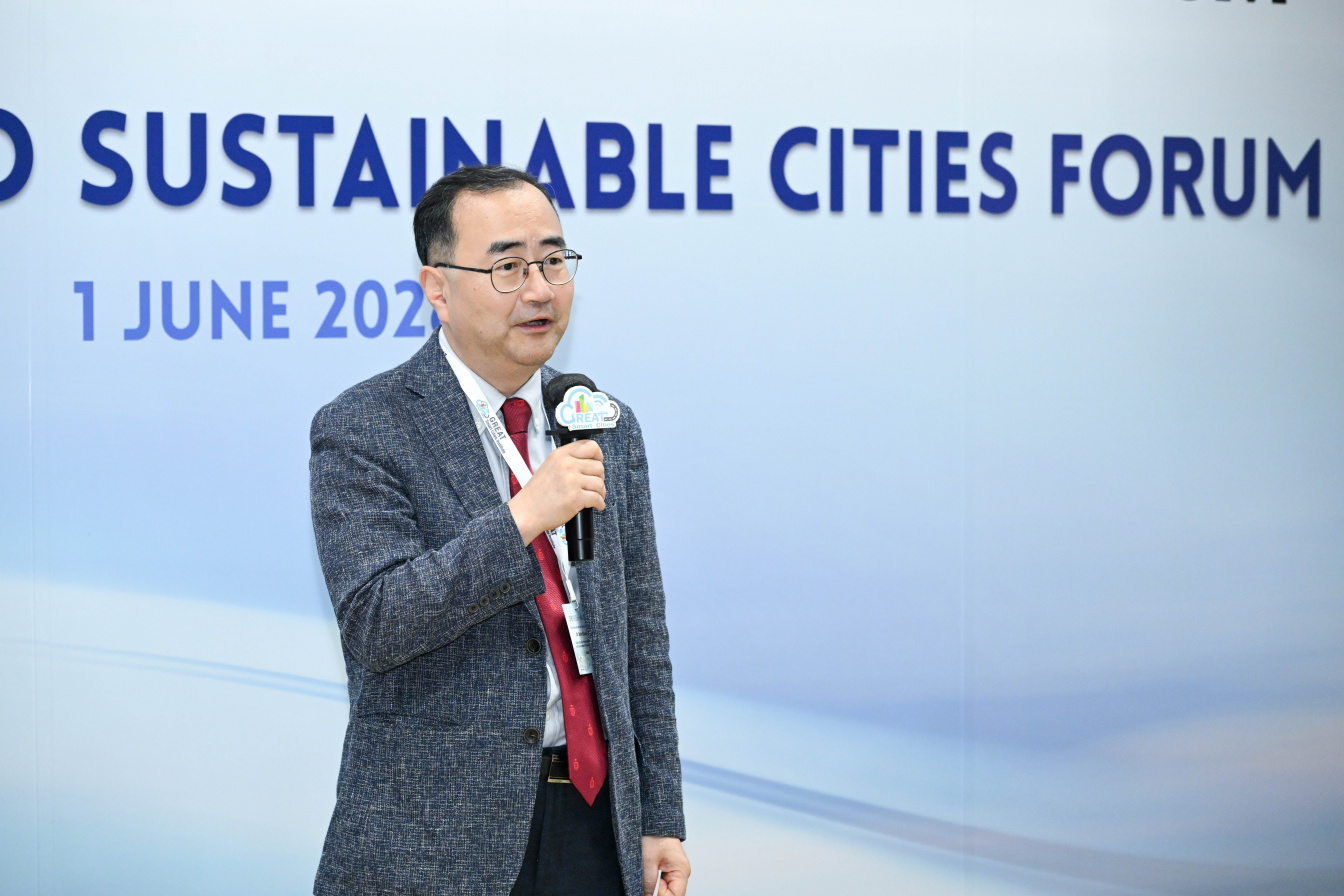
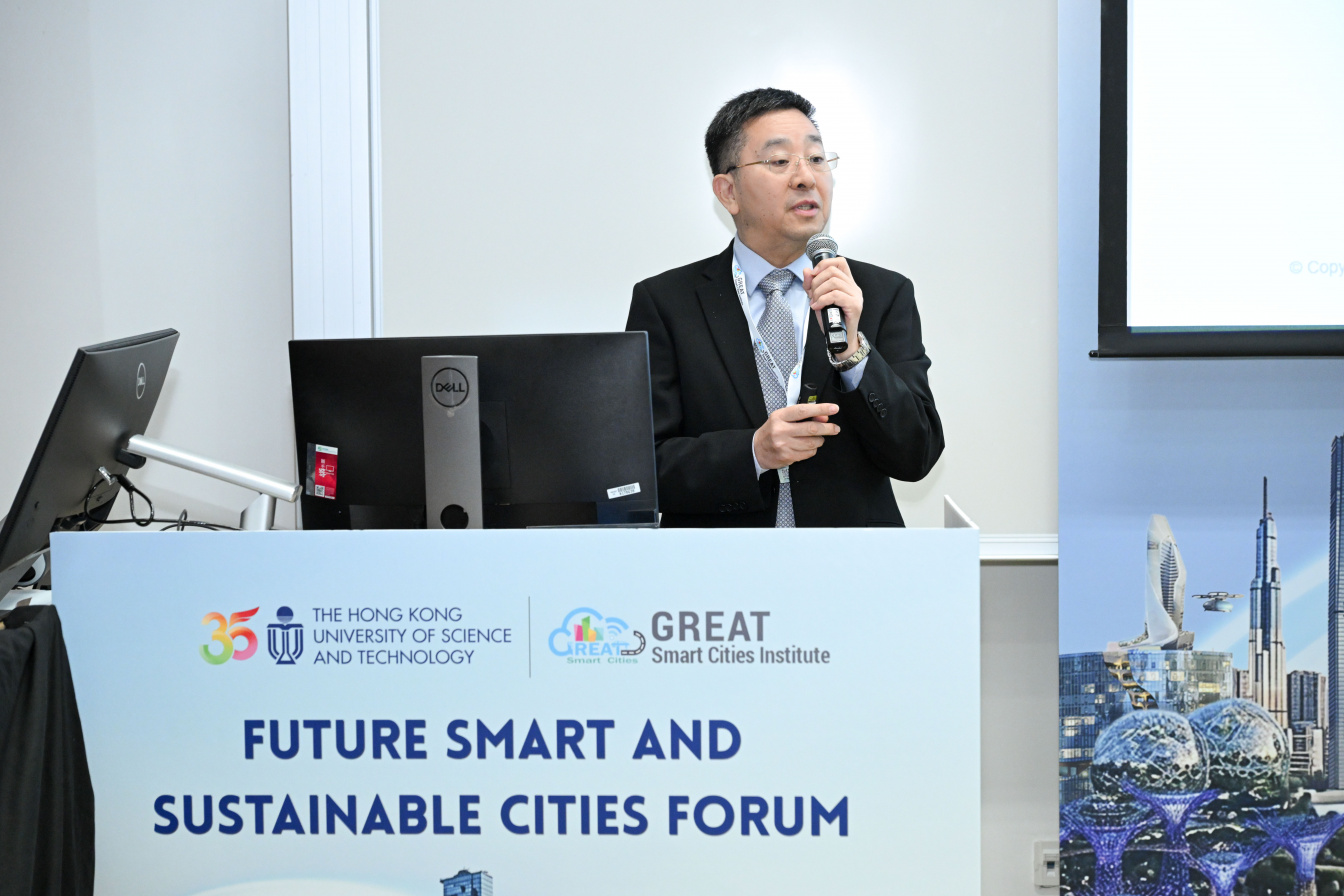
Dr. Shin Cheul KIM, Associate Vice-President for Research and Development (Knowledge Transfer) at HKUST, opened the event by framing the University’s mission through three essential lenses: excellence, relevance, and convergence. “The topics we are discussing today are not just city problems; they are human problems,” Dr. Kim noted, underscoring the University’s commitment to placing human-centric needs at the heart of its research agenda.
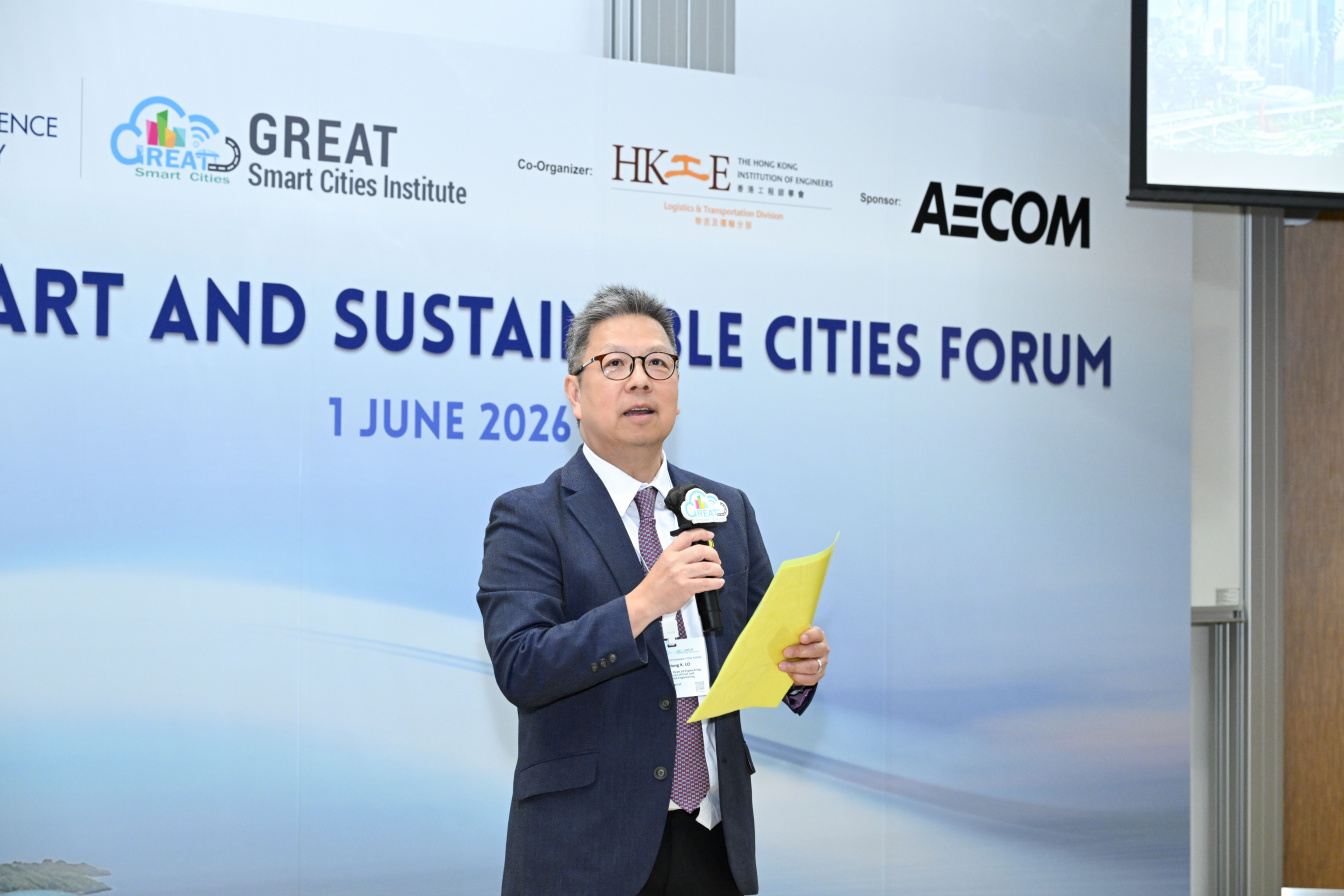
Prof. Hong K. LO, JP, HKUST Dean of Engineering and Director of GSCI, echoed this vision, highlighting an operational mandate to move beyond siloed research. “Smart city development is a complex endeavor,” Prof. Lo noted. “Our goal is to translate research into real-world impact by integrating expertise across sectors, ensuring our city becomes more resilient and adaptable for everyone.”
Strengthening the “Triple Helix” of innovation
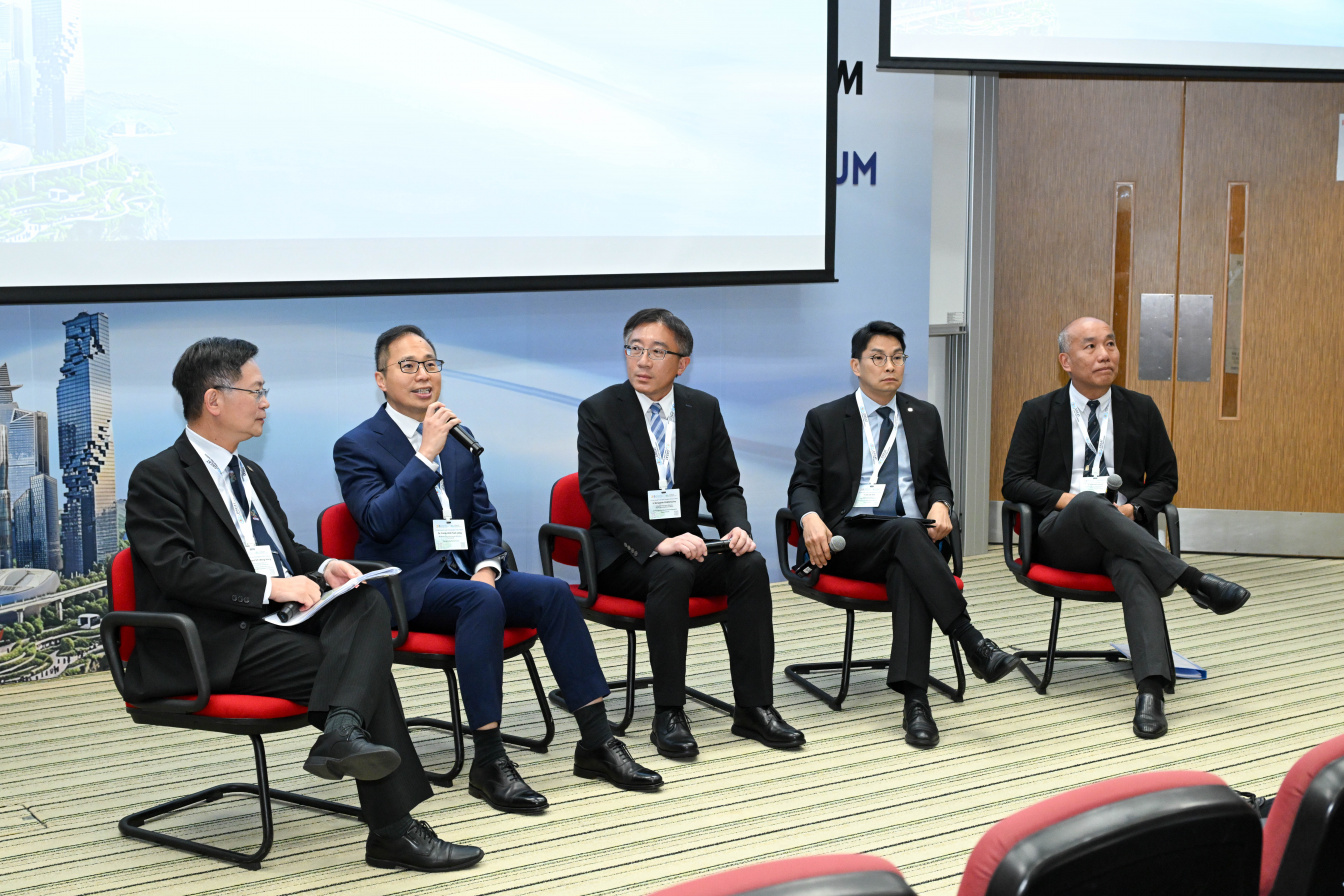
The forum featured two high-level panel discussions dissecting the challenges of urban governance and industry scaling:
Panel Discussion (Government): Smart City Government Initiatives
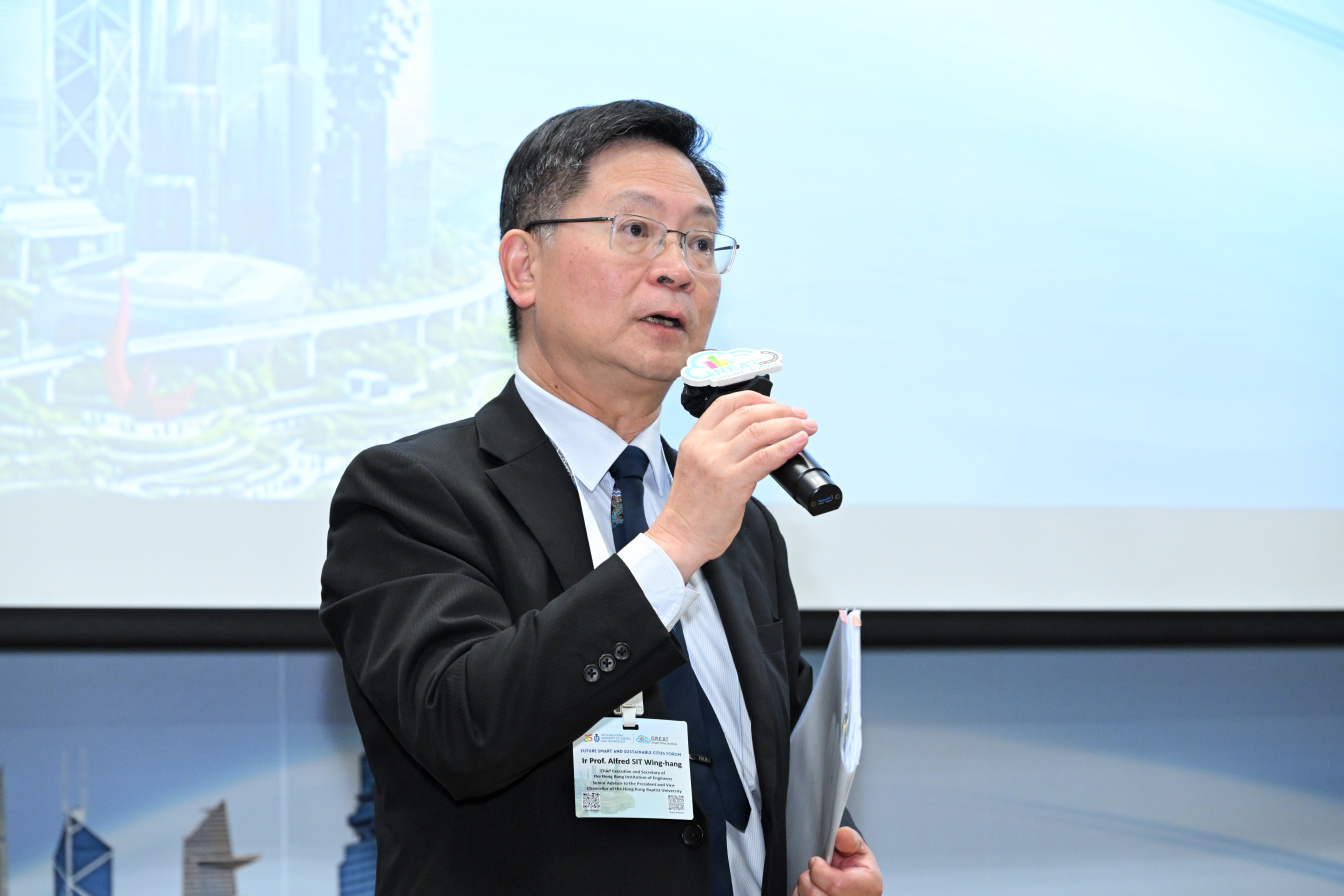
Chaired by Ir Prof. Alfred SIT Wing-Hang, GBS, JP (HKIE), the government panel identified collaborative governance as the key to urban innovation. Dr. Frank LAW Yuet-Wing (Hong Kong Police Force) highlighted AI-driven traffic success, while Ir TSE Lok-Him (Electrical and Mechanical Services Department, HKSAR) advocated for AI-ready building standards. Ir Benjamin CHAN Ka-Ho, JP (Civil Engineering and Development Department, HKSAR) presented the Northern Metropolis as a model for blending nature-based resilience with smart transit, and Ir Alex AU Ka-Kit (Transport Department, HKSAR) outlined how data-centric tools like Real-time Adaptive Traffic Signal System (RTATSS) are actively optimizing Hong Kong’s traffic flow.
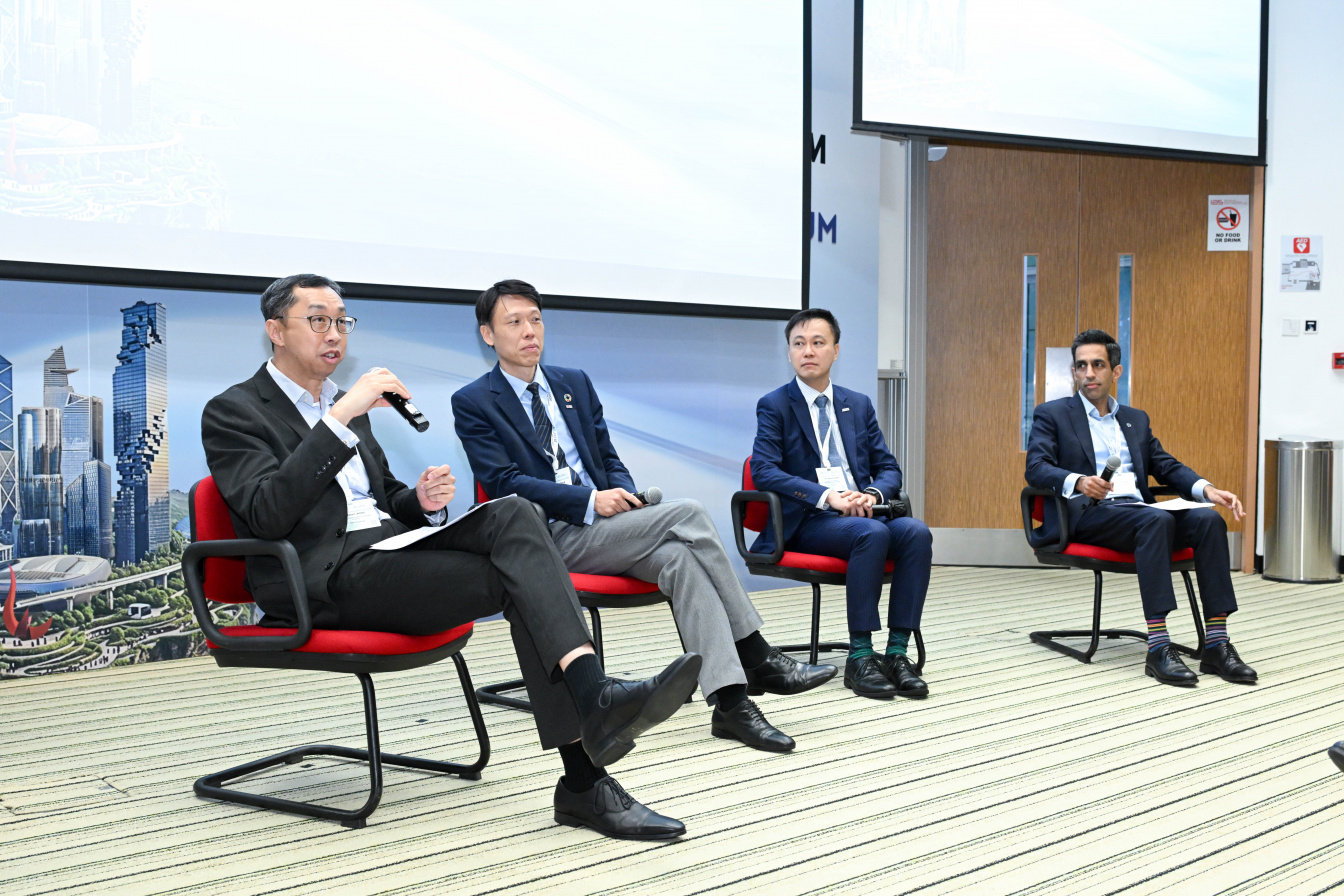
Panel Discussion (Industry): Industry Perspectives on Smart City Development
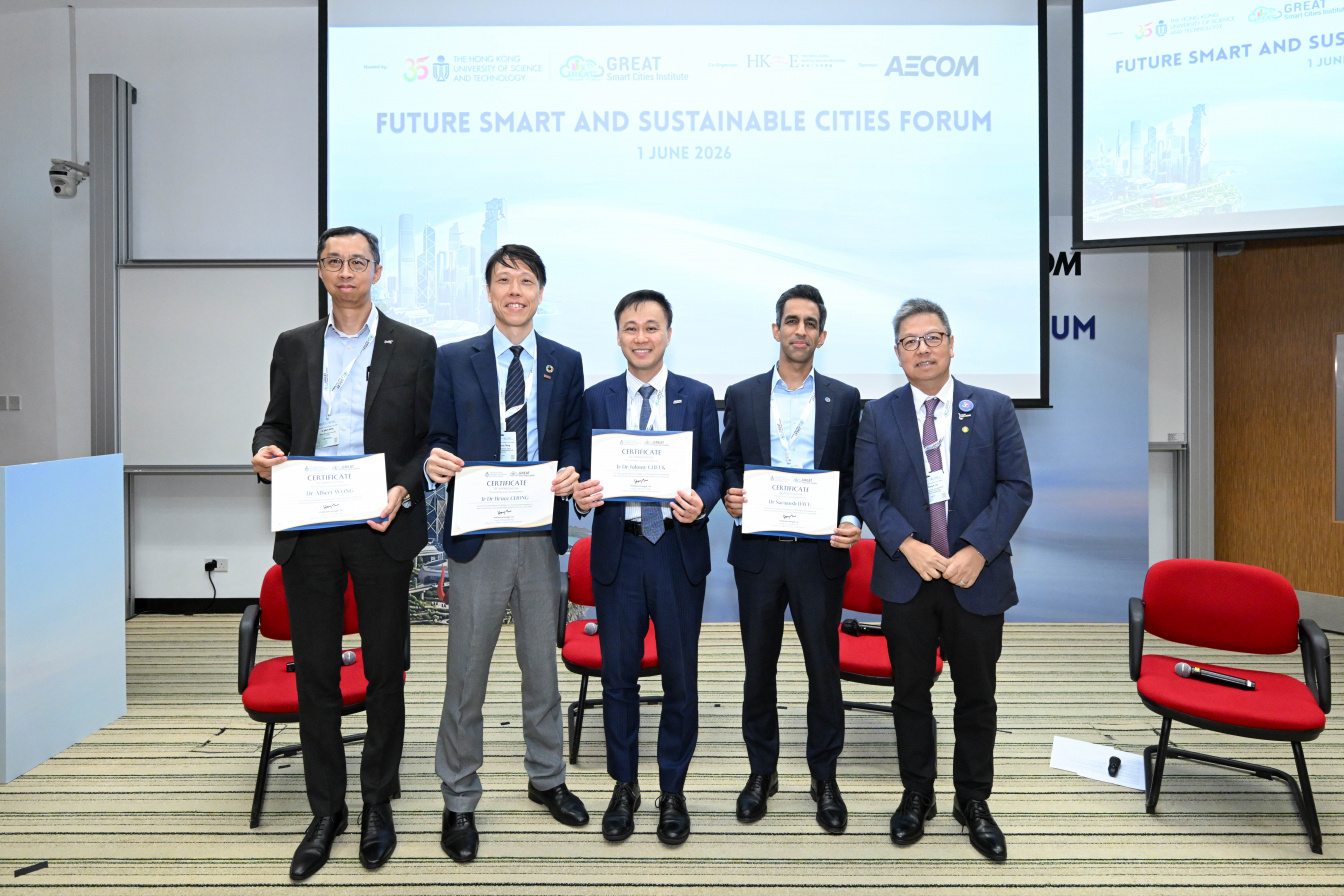
Chaired by Dr. Albert WONG (PwC Hong Kong), the industry panel addressed the realities of smart city implementation in high-density environments. Ir Dr. Bruce CHONG (Arup) emphasized the need for rigorous data standardization to ensure system interoperability, while Ir Dr. Johnny CHEUK (AECOM) argued that nature-based solutions are essential for climate resilience and inclusive urban design. Concluding the session, Dr. Saraansh DAVE (CLPe) highlighted eMobility infrastructure as a critical foundation for a sustainable urban future.
Global knowledge exchange
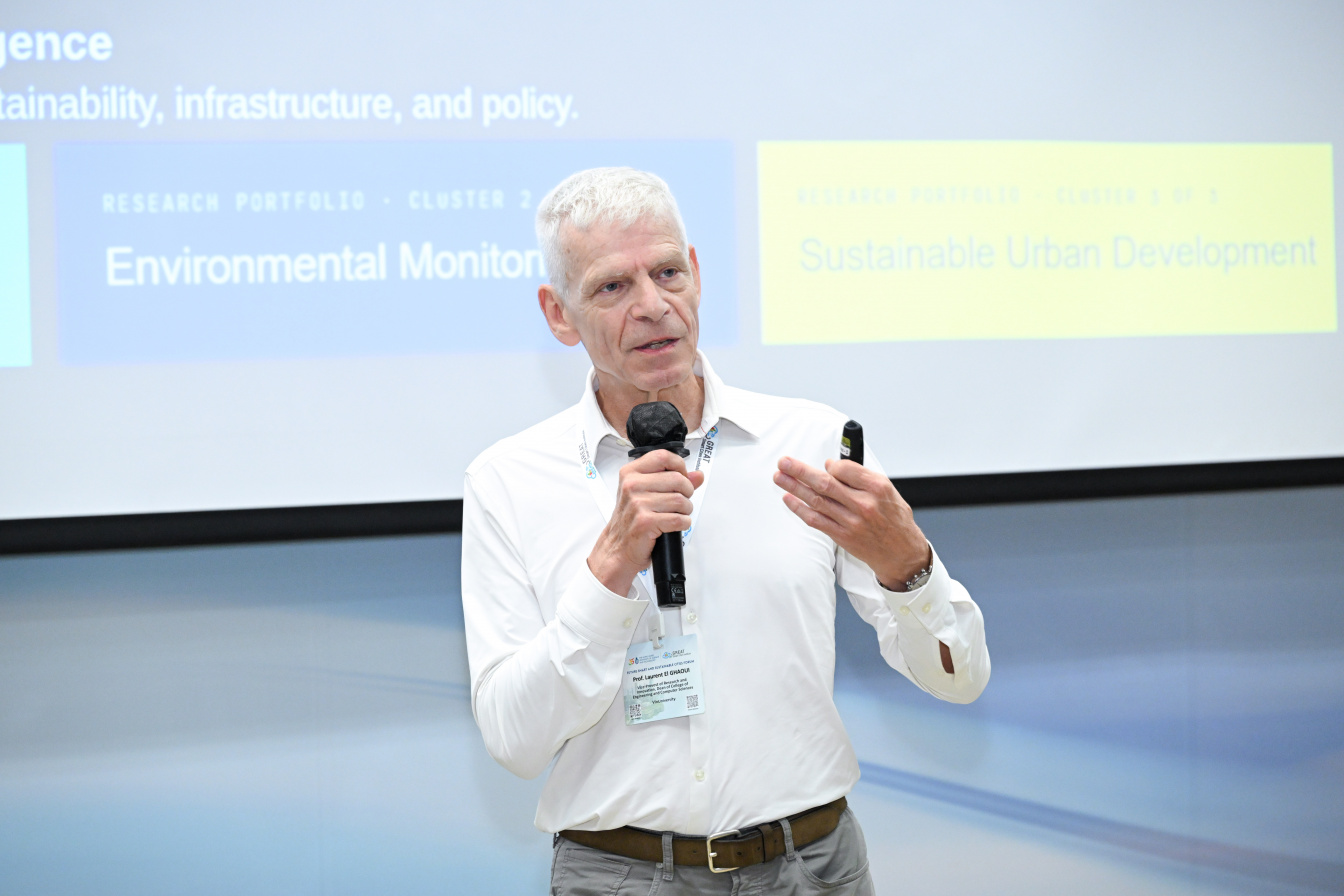
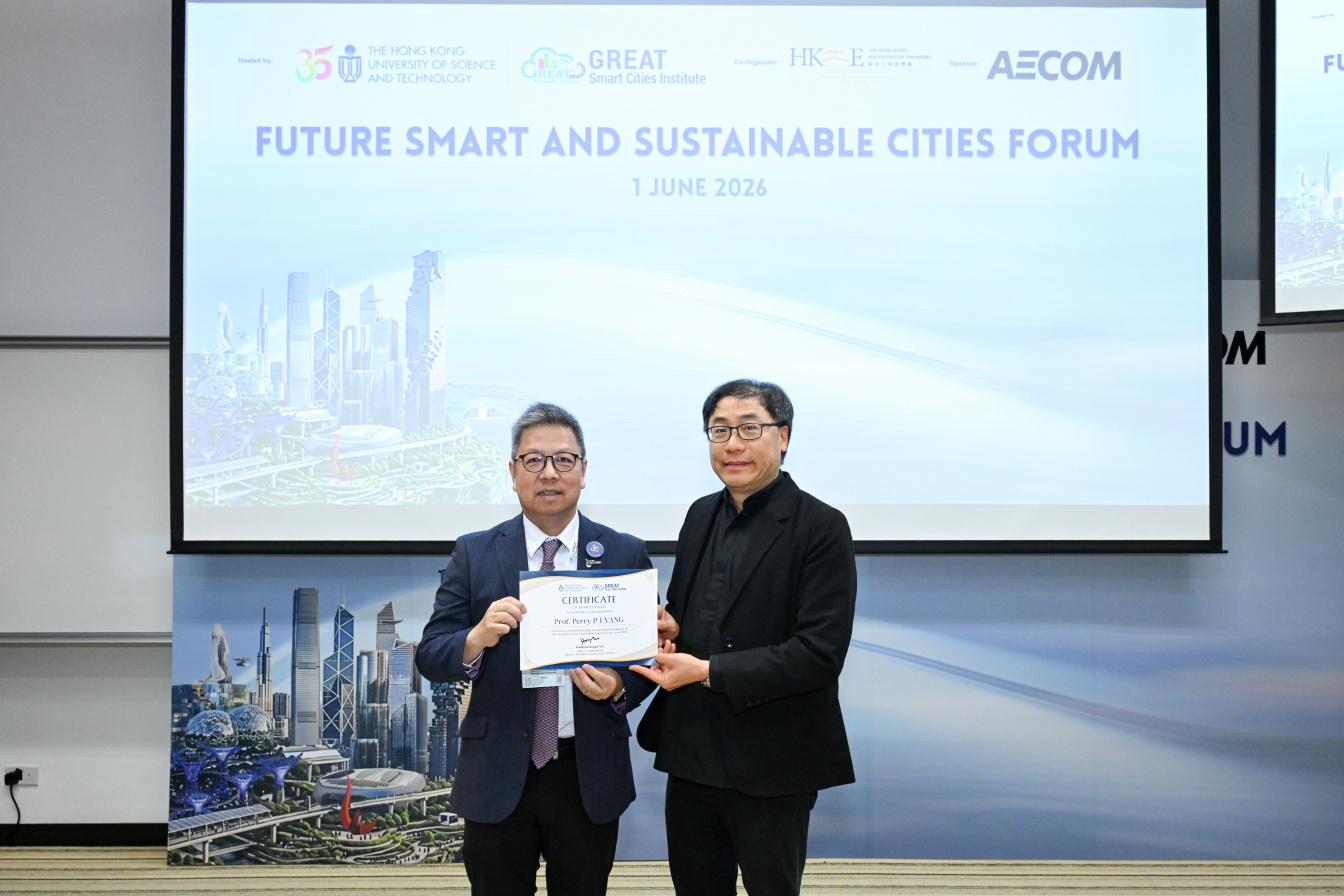
Complementing these local insights, the forum hosted five international scholars who provided a comparative framework to evaluate Hong Kong’s progress against global benchmarks in urban maturity. Prof. Laurent EL GHAOUI (VinUniversity, Vietnam) opened the session by demonstrating how integrated AI can function as a connective tissue between sustainability and urban infrastructure. Prof. Perry P. J. YANG (Georgia Institute of Technology, US) presented his work on community-driven “Digital Twins”, illustrating how high-frequency data analytics can be translated into long-term urban design decisions. They were joined by Prof. MENG Qiang (National University of Singapore), who provided a strategic roadmap for integrated land transport, emphasizing the importance of aligning land-use policies with institutional coordination. The global perspective was rounded out by Prof. Piyushimita (Vonu) THAKURIAH (Rutgers University, US) and Prof. Agachai SUMALEE (Chulalongkorn University, Thailand), both of whom participated remotely to contribute their specialized frameworks on urban informatics and integrated innovation systems.
Interactive tech showcase
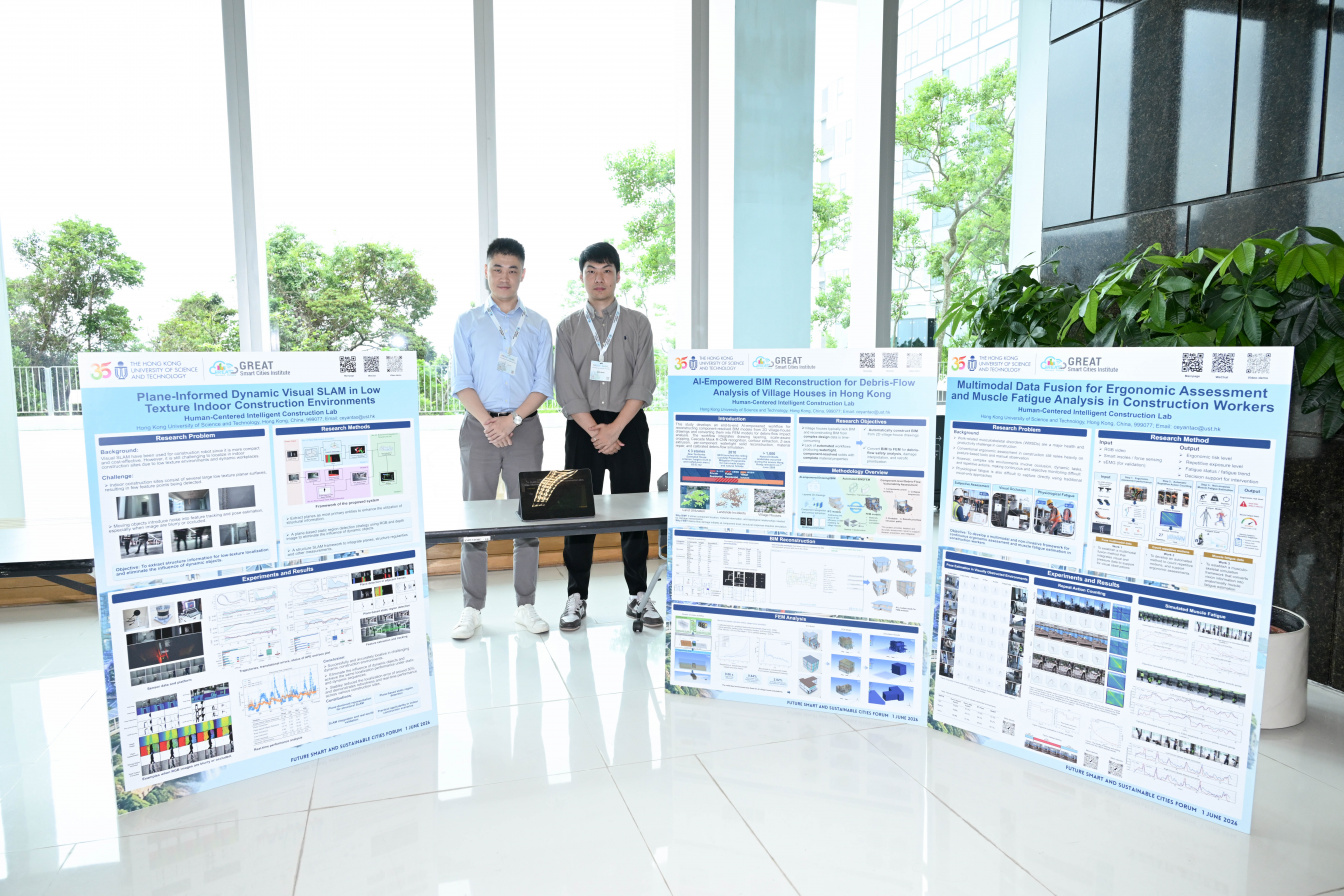
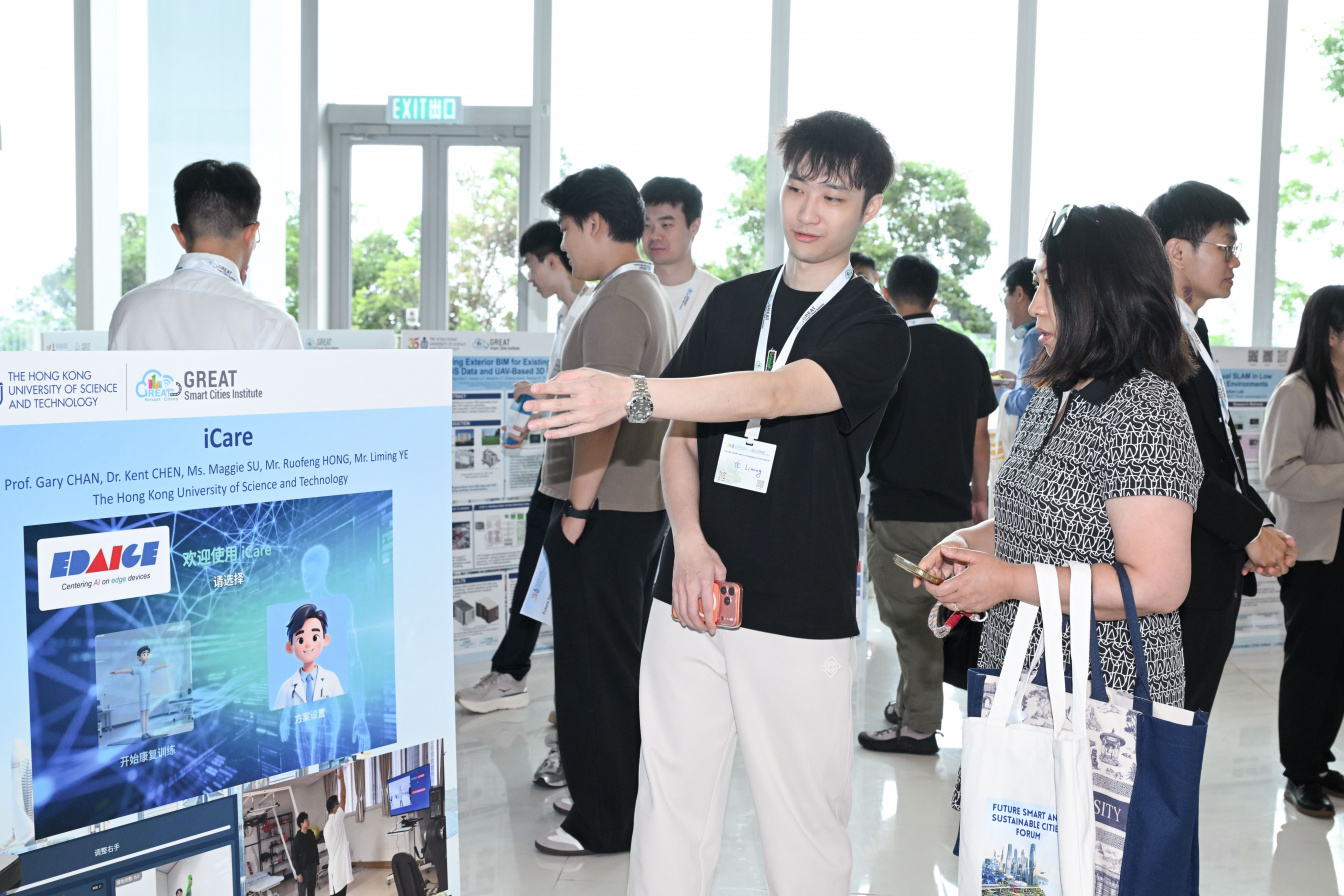
The event also featured an interactive exhibition, offering participants a firsthand look at 10 cutting-edge research projects. Demonstrations included AI-driven traffic management, ergonomic assessment tools for construction safety, automated BIM (Building Information Modeling) reconstruction, and assistive technologies for community care. These exhibits provided a tangible look at how HKUST GSCI research is being translated into scalable applications to enhance infrastructure efficiency and foster more inclusive urban environments.